
IQF Technology in the Food Industry: Product Suitability, Adhesion Challenges, and Moisture Characteristics
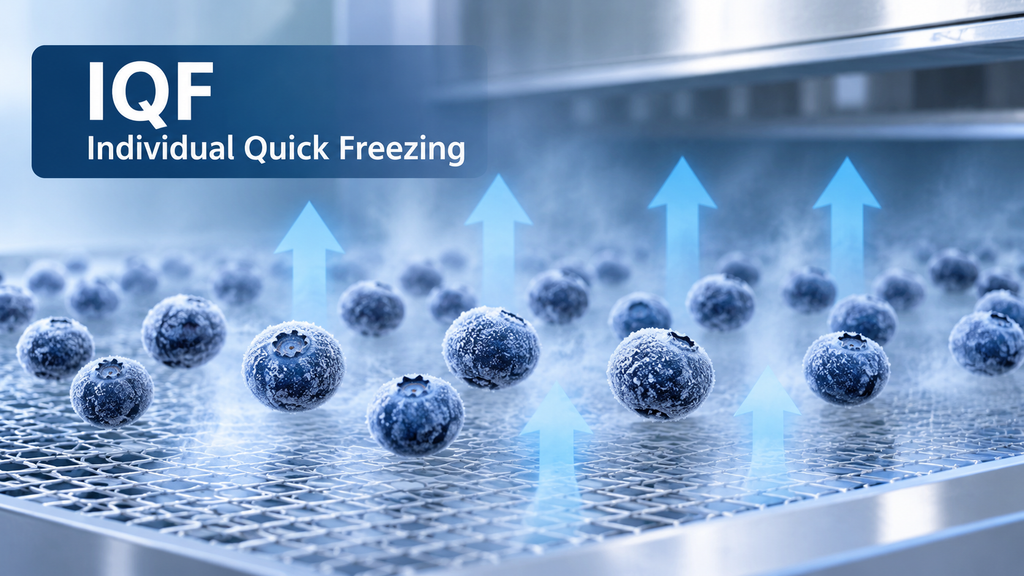
Individual Quick Freezing (IQF) is widely used in fruit, vegetable, seafood, and meat processing to freeze individual food pieces while maintaining product separation and quality. This article examines how product characteristics—including size, moisture content, surface conditions, and internal structure—influence IQF performance. It also explores common product adhesion challenges, practical approaches to reducing sticking, and how different IQF freezing systems can be matched to specific food processing requirements.
The Physics Behind Different Freezing Methods: Air Blast, Contact and Fluidized Bed Freezing
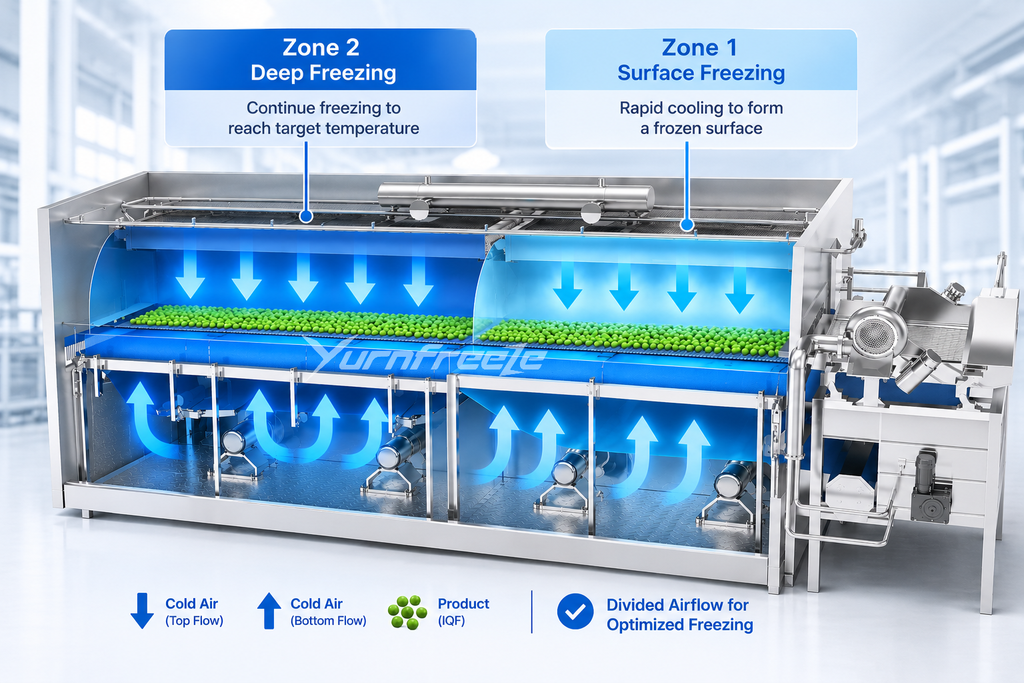
Choosing the right freezing method can make a significant difference in product quality, freezing time, and operating costs. This article explains how air blast, contact, and fluidized bed freezing work, highlighting the key differences in heat transfer, performance, and food applications. Learn which factors influence freezing efficiency and how to identify the most suitable technology for your products and processing requirements.
Ice Crystal Formation and Its Impact on Food Quality During Quick Freezing: From Cellular Structure to Thawing Drip Loss
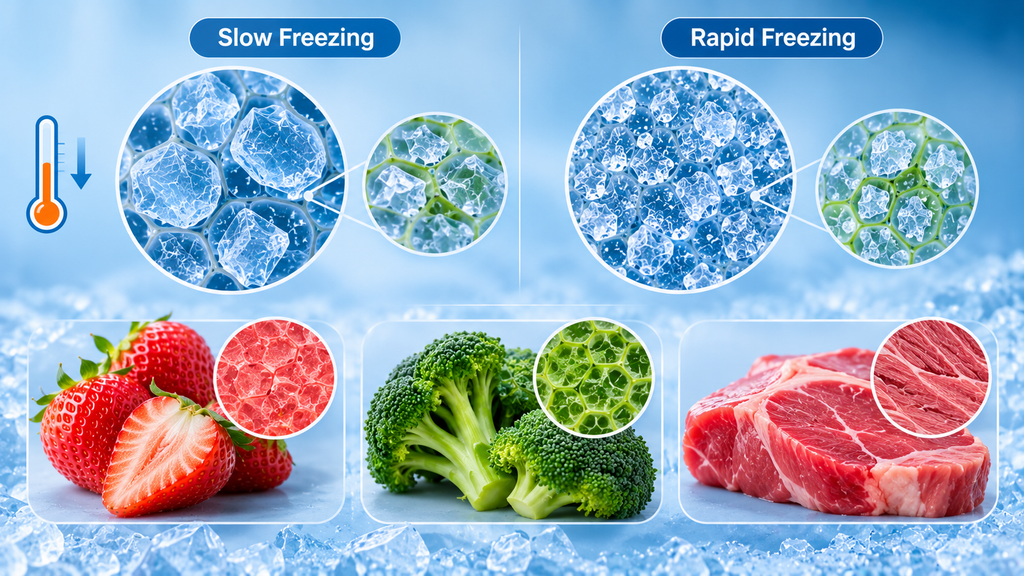
Ice crystal formation plays a critical role in determining the quality of frozen foods. This article explores how freezing rates affect ice crystal size, cellular structure, and moisture migration, and explains their impact on texture, water-holding capacity, and thawing drip loss. It also examines the differences between slow and rapid freezing, the effects of ice recrystallization during storage, and key factors for controlling ice crystal formation in industrial freezing processes.
IQF Freezing Principles and Heat Transfer Mechanisms: From Ice Crystal Formation to Food Microstructure
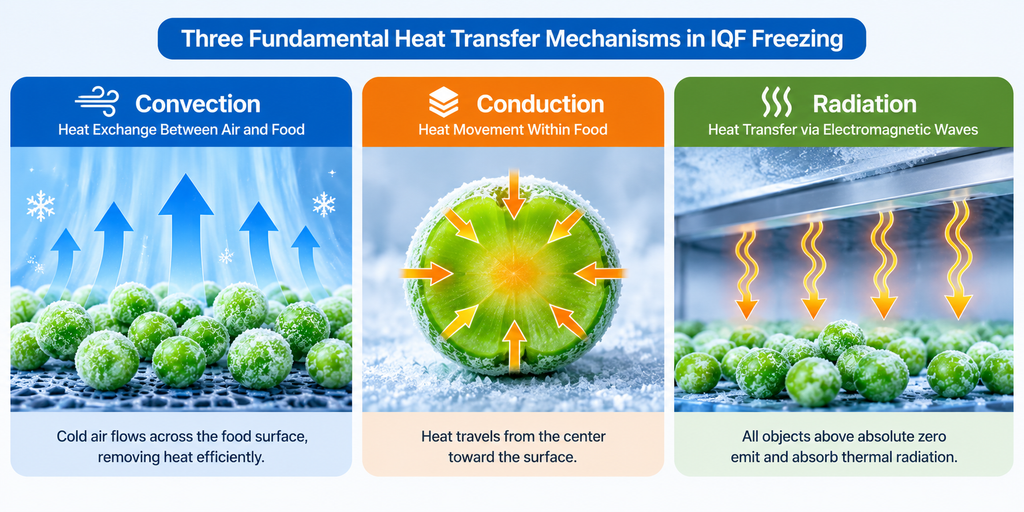
Explore how IQF freezing works, including convection, conduction, ice crystal formation, and the effects of freezing rates on food microstructure and quality.
How Does the Refrigeration Cycle Work in Industrial Freezing Equipment? COP and Refrigerant Performance Explained
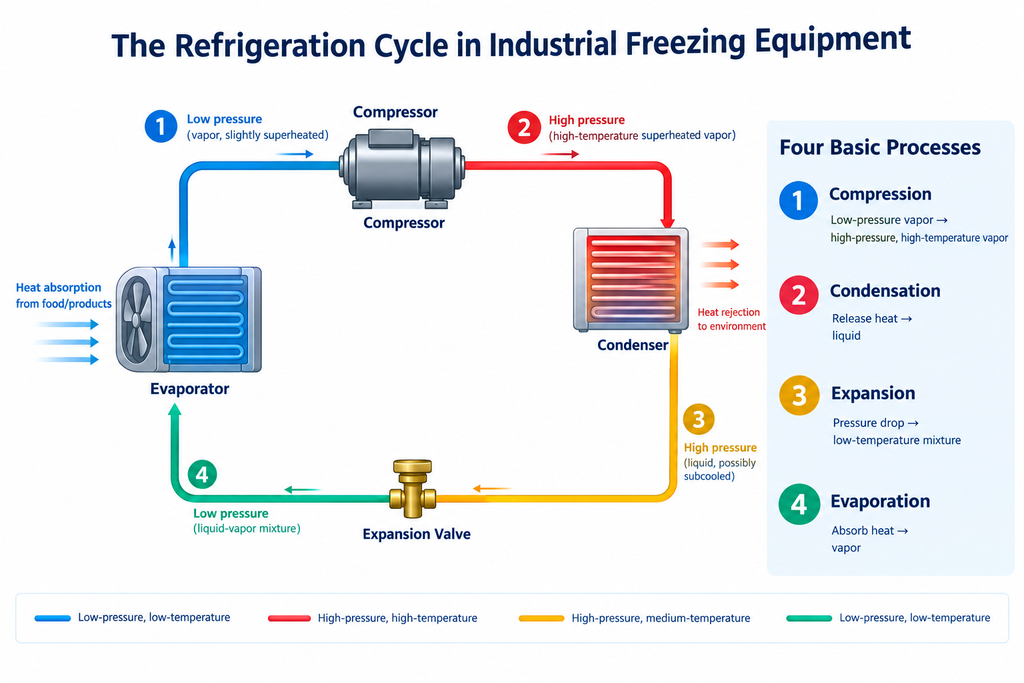
Understand how the refrigeration cycle works in industrial freezing equipment, how COP is calculated, and how refrigerants such as ammonia (R717), CO₂ (R744), and HFC alternatives affect system performance. This article explains the four stages of the refrigeration cycle, key factors influencing energy efficiency, and practical considerations for refrigerant selection, system upgrades, and industrial freezer applications.
Basic Structure and Components of Industrial Freezing Systems
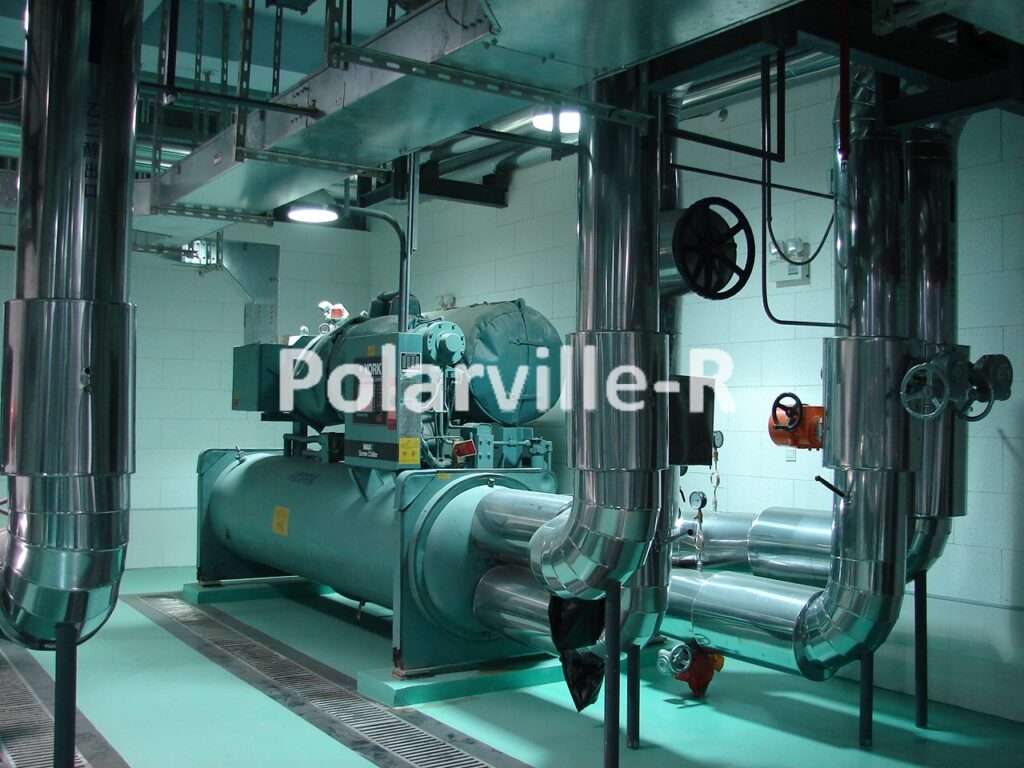
In an industrial freezing system, the refrigeration system provides cooling capacity, the air circulation system transfers it to the products, the conveying system controls freezing duration, and the PLC system coordinates and monitors the entire process.